







Search Results for: cold brew aging
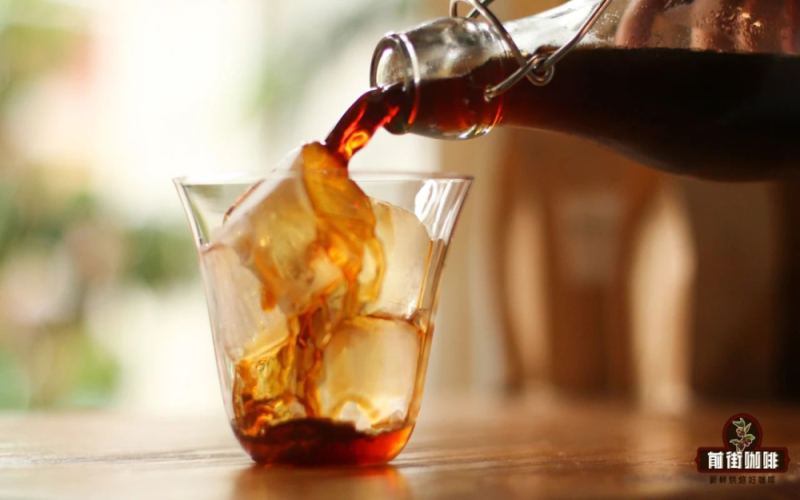
The Alcoholic Aroma Secrets of Ice Drip Coffee: A Detailed Guide to Cold Brew Grind Ratio, Drip Parameters, and Low-Temperature Aging Process
The rich, lingering fermented wine aroma of cold brew coffee often leads people to mistakenly believe that alcohol has been added to it, but this is not the case. The source of this unique flavor is closely related to the cold brew extraction method and the subsequent low-temperature aging process. Front Street Coffee will guide you through the cold brew coffee-making process: from key parameters such as the coffee-to-water ratio and drip speed, to why it cannot be drunk immediately after extraction, how low-temperature aging gives coffee its wine aroma, and the precautions to take during preparation and storage. If you also want to recreate at home a cup of clean, smooth cold brew interwoven with fruity and wine aromas, you might as well follow Front Street's approach step by step, from bean selection to aging. [more…]
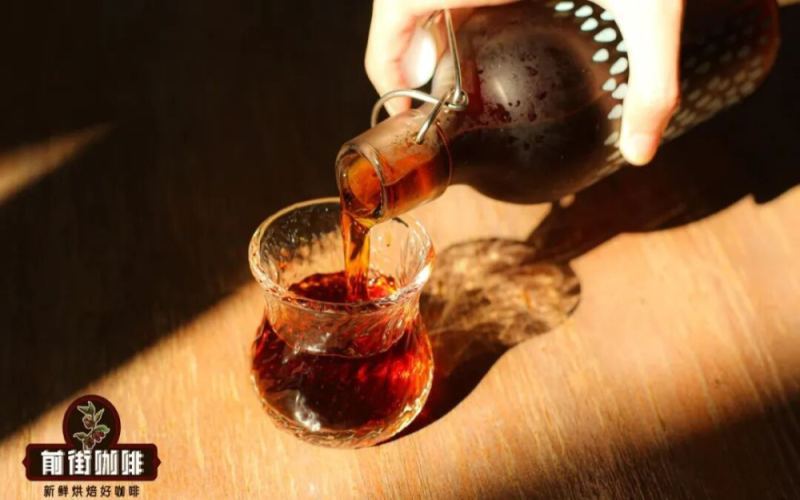
Why Does Cold Brew Coffee Have a Wine-Like Aroma? Why Is It Astringent Right After Brewing? An Analysis of the Optimal Drinking Window
The unique wine-like aroma and bouquet of cold drip coffee often lead people to mistakenly think that alcohol has been added, but in fact this comes entirely from its production method and low-temperature aging process. However, freshly dripped cold drip coffee often tastes thin or even astringent, and needs to be aged in the refrigerator to reveal a smooth, rich flavor. So how long exactly should cold drip coffee be left before drinking? Why does it develop a wine-like flavor after being stored for a long time? And why can it not be stored indefinitely? Starting from Front Street's production experience, this article explains in detail the principles behind the changes in cold drip coffee from production to aging, and from astringency to vinous aroma, and gives recommended drinking periods to help you better enjoy this cup of slow-brewed coffee. [more…]
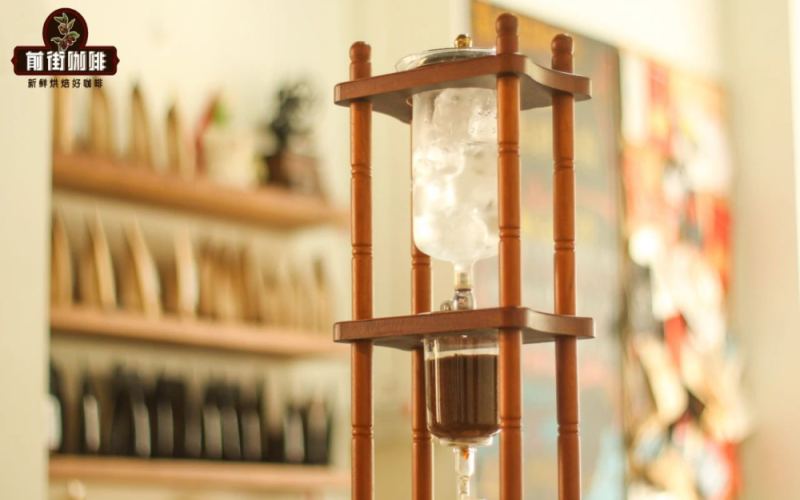
Why Isn't Cold Brew Coffee Sour or Astringent? A Detailed Explanation of Its Taste Characteristics, Brewing Method, and the Principles of Low-Temperature Aging
Ice drip coffee is known for its clean, full-bodied, smooth taste and rich fermented wine aroma, but many people mistakenly think it contains alcohol when they first encounter it. In fact, ice drip is a type of cold brew coffee, made by extracting drop by drop with ice water over a long period. Freshly made ice drip is not at its best for drinking; it needs low-temperature aging in the refrigerator to reveal its full fruity feel and wine aroma. Based on Front Street Coffee's production practice, this article explains in detail the coffee-to-water ratio, drip rate, aging time, and storage recommendations for ice drip, giving you a comprehensive understanding of the flavor sources and key production points of ice drip coffee. [more…]
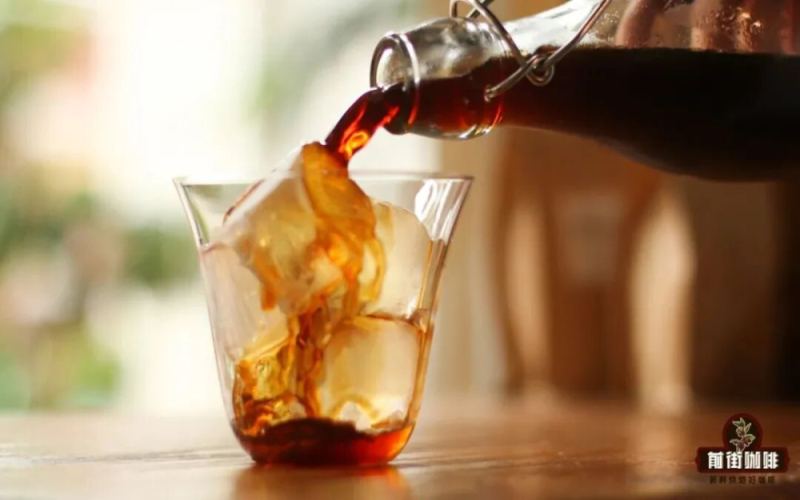
A Complete Guide to Cold Brew Coffee: Key Parameters for Flow Rate, Grind, Ratio, and Aging Time
With its lengthy brewing process and distinctive flavor layers, ice drip coffee has become a representative of "slow work yields fine results" in the minds of many coffee enthusiasts. Unlike cold brew, ice drip relies on a dedicated device, extracting by having ice water drip through the coffee grounds one drop at a time, then undergoing refrigerated fermentation and aging to present a rich and smooth taste. Starting from Front Street's hands-on experience, this article breaks down in detail the four core variables of ice drip coffee—grind size, drip rate, extraction ratio, and aging time—and provides specific parameter recommendations to help you make a standard-quality ice drip coffee at home. [more…]
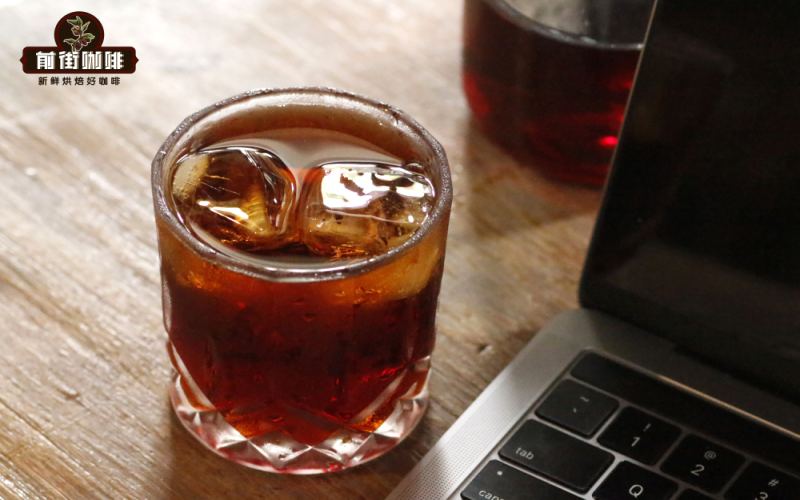
Why Does Cold Brew Coffee Develop More Wine-Like Aromas Over Time? A Chemical Perspective on Low-Temperature Aging and Fermentation Mechanisms
Many people tasting cold drip coffee for the first time are surprised: is there alcohol in this cup of coffee? In fact, that boozy note does not come from alcohol, but is the result of the unique cold drip extraction method combined with subsequent low-temperature aging. Starting from Front Street Coffee's actual cold drip coffee-making parameters and drawing on chemical principles, this article explains how ester hydrolysis produces the alcohols responsible for the wine-like aroma, while comparing the differences with the natural fermentation of hot-brewed coffee, and gives the optimal drinking window and safety recommendations for cold drip coffee. [more…]
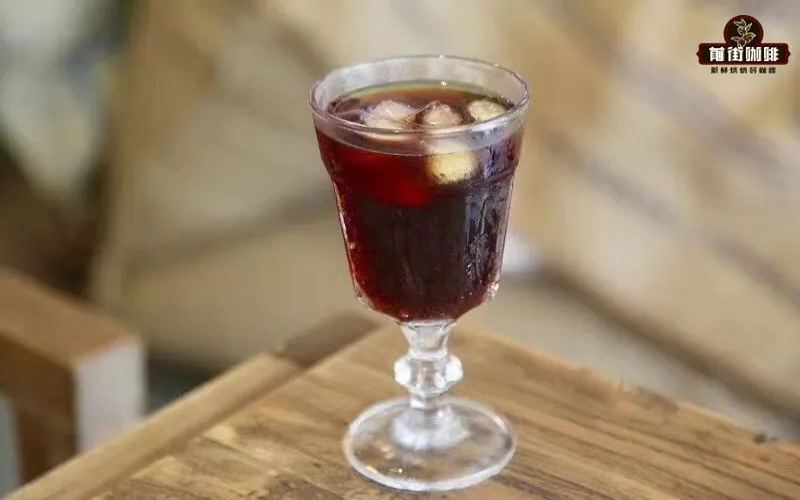
Why Does Cold Brew Coffee Emit a Wine Aroma and Wine-Like Character? Analyzing the Flavor Formation in Low-Temperature Extraction and Aging
Many coffee enthusiasts, when tasting ice drip coffee, are surprised by its faint, elusive notes of wine aroma and character, even wondering if alcohol has been added, or if the coffee beans themselves carry a wine-like flavor. In fact, this unique flavor does not come from any added ingredient, but is closely related to the special way ice drip coffee is made. Freshly dripped ice drip coffee is actually thin in flavor and can even taste astringent; it needs to undergo sealed low-temperature aging to become mellow and layered. This article, drawing on Front Street Coffee's practical experience, will analyze the principles behind how the wine-like flavor of ice drip coffee forms, explain how low-temperature extraction inhibits bacterial growth, and why sealed refrigerated aging can produce a fermentation aroma similar to alcohol. It will also compare the uncontrollability of natural fermentation in hot-brewed coffee, helping readers understand how each step in making ice drip coffee affects the final flavor. [more…]
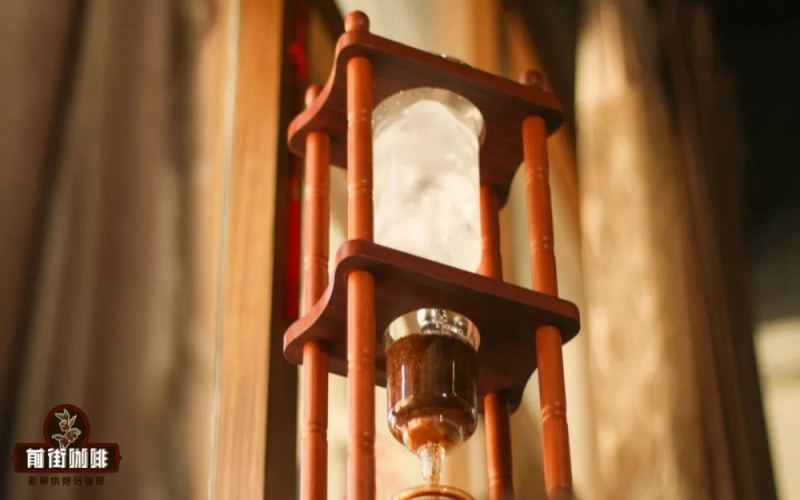
Cold Brew Coffee Making Guide: A Detailed Explanation of 6 Key Steps and Parameters from Bean Selection to Drip Filtration
Cold brew coffee is deeply favored by enthusiasts for its rich, wine-like body and refreshing fruity aroma, but recreating the ideal flavor at home requires precise control over bean selection, grinding, ratio, extraction, and aging. This article systematically outlines the 6 core steps for making cold brew coffee, including suitable roast levels and single-origin bean recommendations, coffee grounds coarseness standards, the golden coffee-to-water ratio, techniques to avoid channeling, optimal drip rate settings, and refrigeration fermentation methods for enhancing flavor. The article specifically includes suggestions for several single-origin beans from Front Street Coffee, such as Bird of Paradise, Queen's Estate Brazil, and Honduras Sherry, to help you create a cup of cold brew coffee that combines bright fruity acidity with fermented depth through slow drip filtration and low-temperature aging. [more…]
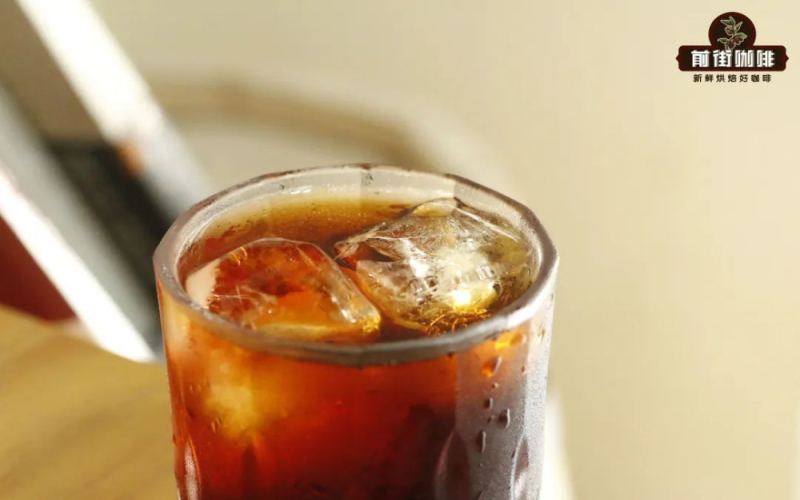
How to Make Cold Brew Coffee? A Complete Guide to Steps and Parameters from Equipment Preparation to Refrigerated Aging
In the previous article we talked about how to make cold brew coffee; this time let's raise the difficulty a bit and try our hand at making ice drip coffee. The ice drip process is more tedious than cold brew and takes more time and effort, but the cleanliness and layered complexity of the final cup are often worth the wait. The illustrated tutorial below starts with a list of equipment, then gradually explains the key details of the coffee-to-water-to-ice ratio, filter paper placement, pre-wetting the coffee grounds, setting the drip rate, and refrigerated maturation, and also includes bean recommendations suitable for ice drip. You can adjust flexibly according to your own equipment and taste preferences to make a pot of ice drip that is yours alone. [more…]
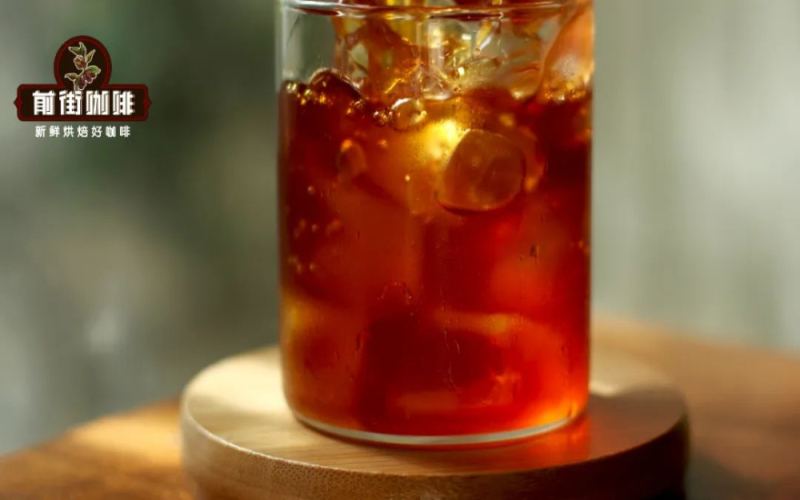
A Complete Guide to Cold Brew, Ice Drip, and Iced Coffee: Brewing Principles, Historical Origins, and Front Street Coffee's Cold Brew Practical Parameters
In the family of cold-extracted black coffee, the three names cold brew, ice drip, and ice brew often confuse people. What exactly is the difference between them? Why is ice drip also called Dutch coffee or Kyoto coffee? How can you make cold brew coffee so that it is consistently good? This article, from the perspective of Front Street, sorts out the definitions, historical context, and brewing logic of these three coffees, and includes the complete parameters and step-by-step instructions for Front Street Mozart cold brew, helping you understand the ins and outs of cold-extracted coffee in one go. [more…]

Spanish Latte Didn't Originate in Spain? The Birthplaces of Ice Drip and Cold Brew, and the Beautiful Misunderstanding Behind the Name Arabica
There are quite a few interesting trivia facts hidden in the world of coffee: the Spanish latte is actually not a native Spanish drink, but originates from a candy coffee called Café Bombón; the inventor of cold brew coffee was not Japanese either, but the Dutch of the Age of Discovery. Although the cold drip tower is a Japanese improvement, the roots of cold brew as an extraction method lie in the West; and the name Arabica stems from a beautiful misunderstanding—it rose to prominence in Yemen, yet it did not originate in Arabia. Its true homeland is Ethiopia. This article guides you through these coffee trivia facts one by one, while retaining relevant recommendations from the Front Street brand for coffee enthusiasts to gain a deeper understanding. [more…]
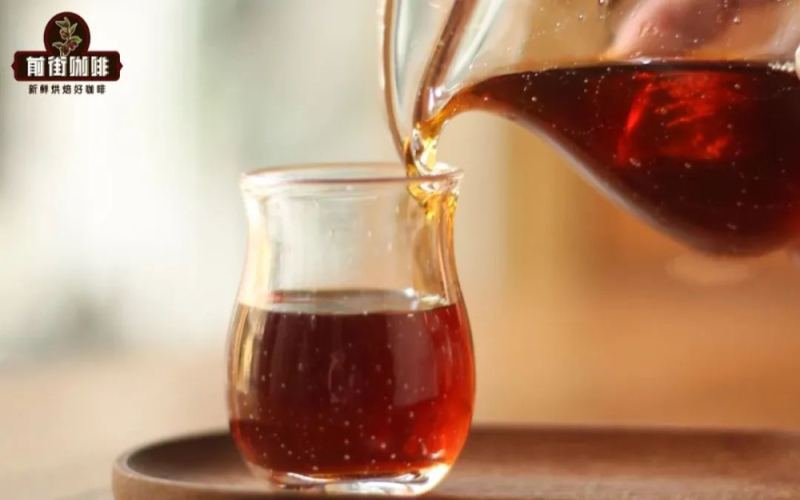
How long does it take to make cold brew coffee, and which coffee beans are more suitable for making cold brew?
As the weather heats up, cold brew coffee has once again become a hot commodity in cafés. How exactly does it differ from an Americano? Why is it often more expensive? This article explores the making of cold brew: from the structure of a dedicated cold brew tower, a 1:10 coffee-to-water ratio, and 5–8 hours of drip filtration, to low-temperature aging for over 8 hours—a 600ml batch takes more than ten hours from start to finish. We'll also cover bean selection—single-origin beans with floral, fruity, or fermented wine-like notes are more suitable—as well as the Tiamo cold brew tower commonly used at Front Street Coffee and specific brewing parameters, to help you understand why cold brew is expensive and where its appeal lies. [more…]
A Comprehensive Analysis of Mandheling Coffee Beans: Flavor Characteristics, Differences from Golden Mandheling, and Drinking Methods Suitable for Women
As the most representative coffee variety from Sumatra, Mandheling has enjoyed enduring popularity in the Asian market thanks to its low acidity and full-bodied taste. This article begins with the origins of the name Mandheling, traces the hierarchy of contempt in the minds of older generations of coffee lovers, clarifies the essential differences between Golden Mandheling and Aged Mandheling, and takes a deep dive into the sources of its smooth, mellow flavor, its distinctive dark-roast method, and the two best ways to prepare it: cold brew and espresso. It also addresses common questions such as whether Mandheling is suitable for women to drink and whether pour-over Mandheling is acidic, and recommends Front Street Coffee's Mandheling products for readers to consider purchasing. [more…]
Complete Iced Drip Coffee Making Tutorial: Practical Points from Extraction Parameters to Refrigerated Storage
Cold brew coffee was originally invented to make coffee last longer. Extracting with cold water does not draw out large amounts of coffee oils the way hot water does, so if stored properly in the refrigerator, it can keep for a month without any problem. After three days of aging, the flavor becomes even mellower. However, cold water extraction takes a very long time—common methods can even require dripping for more than 24 hours—and the caffeine concentration is relatively high. In fact, when making it at home, using room-temperature water instead of ice water works just as well and can shorten the time. This article will explain in detail the complete cold brew process, including sterilizing equipment, choosing grind size, the coffee-to-water ratio, controlling drip speed, and how to prevent refrigerator odors from affecting the coffee's flavor, helping you make a rich and aromatic cup of cold brew coffee. [more…]
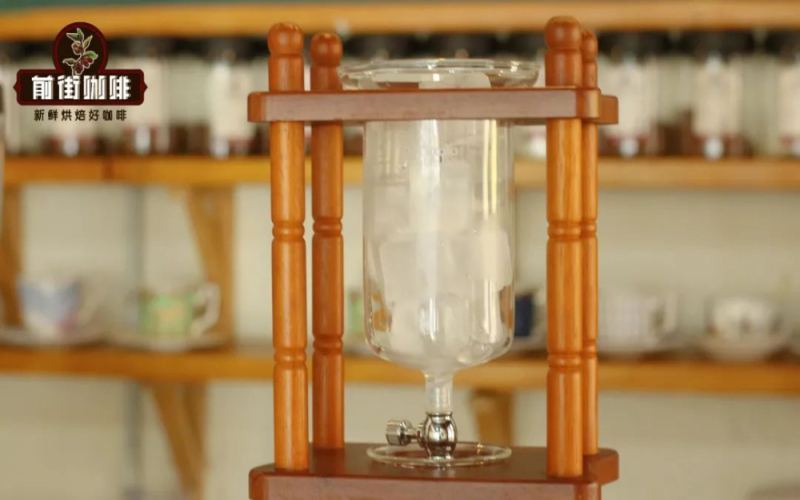
A Complete Guide to Cold Brew Coffee: Coffee-to-Water Ratio, Brewing Time, and Choosing the Right Beans
On a scorching summer day, a glass of cold brew coffee always brings refreshing coolness. However, why is cold brew coffee so expensive? How does it differ from iced brewed coffee and Dutch coffee? This article will break down in detail the origins, principles, and optimal tasting period of cold brew coffee, and focus on sharing key brewing parameters such as the coffee-to-water ratio and drip flow rate. At the same time, Front Street Coffee will, based on daily brewing experience, recommend light-to-medium roasted coffee beans suitable for cold brew, including sun-dried Huakui, Flower Butterfly, Strawberry Candy, and Fruit Ding Ding, helping you make a mellow and sweet cup of cold brew coffee at home. [more…]
An Analysis of Rum Barrel Fermented Coffee Beans Processing Method: The Specialty Coffee Innovation Craft of Finca San José in Colombia
The highly sought-after "Front Street San Jose Estate Rum Barrel Fermented" coffee beans at the coffee market greet you with a rich rum aroma the moment you open the bag. Where exactly does this unique boozy scent come from? Starting from the terroir conditions of San Jose Estate in Caldas Province, Colombia, this article tells how the estate owner, inspired by rum aging, conceived the idea in 2013 of putting green coffee beans into oak barrels. After years of experimentation, the low-temperature rum barrel fermentation process was established in 2017, using the Castillo variety, and involving fully washed processing, 20-hour fermentation, resting in oak barrels aged over 8 years for three months, and daily tumbling, so the beans evenly absorb the rum aroma. These beans once won silver as a blend in the Cappuccino category at the 2019 RASV Australian International Coffee Roasting Competition. Suitable for pour-over, espresso, ice drip, or cold brew, it is a versatile specialty choice recommended by Front Street. [more…]
Dutch cold brew coffee: one drop every few seconds? A complete illustrated guide to dark roast bean selection and refrigerated maturation
Entering May, the weather in Chongqing has already started to get hot, and the cold brew dripper that had been sitting idle for a whole year can finally be put to use. This article will take the traditional Dutch-style cold drip brewer as an example to fully demonstrate the process of making cold drip coffee, while also answering two common questions: what drip rate in seconds per drop is appropriate, and what kind of coffee beans should be chosen. Although there are special cold drip coffee beans sold on the market, whether single-origin or blended beans, it is recommended to use dark roast, because light roast beans tend to become weak and sour under cold drip extraction. In addition, completing the drip filtration does not mean it can be drunk immediately; it still needs at least 24 hours of refrigerated maturation, and the flavor only reaches its peak after three days. At the end, the article also shares a little trick for making shaped ice cubes with coffee liquid, helping you avoid diluting the coffee concentration as the ice cubes melt. [more…]
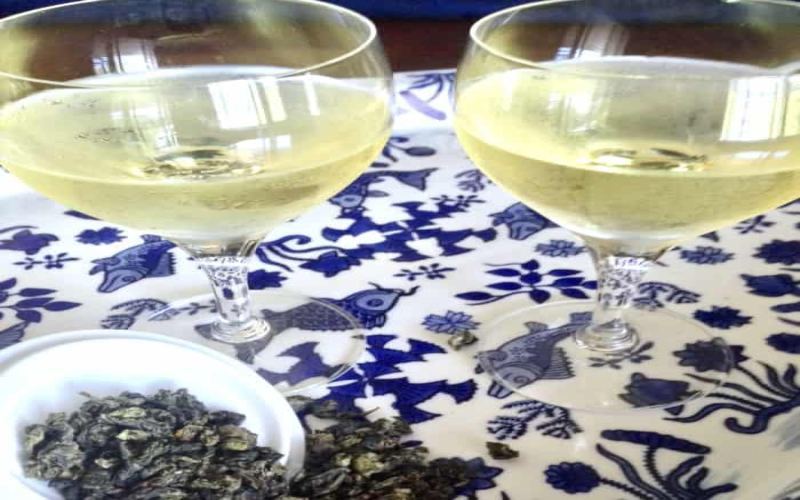
How to Choose Phoenix Dancong for Cold Brew? Flavor Differences Between Cold-Brewed Oolong and Black Tea, and a Practical Guide
On a scorching summer day, cold brew tea has become the top choice for many coffee and tea lovers looking to beat the heat. Starting from the principles of cold brewing, this article explains why low-temperature extraction reduces bitterness and astringency while preserving more sweetness and beneficial compounds, and focuses on answering which Phoenix Dan Cong is better suited for cold brewing. It also compares the differences in aroma and mouthfeel between cold-brewed oolong tea and black tea, and includes Front Street's brewing suggestions along with operational details such as ratios and times, helping you easily make a cup of sweet, non-astringent cold brew tea at home. [more…]
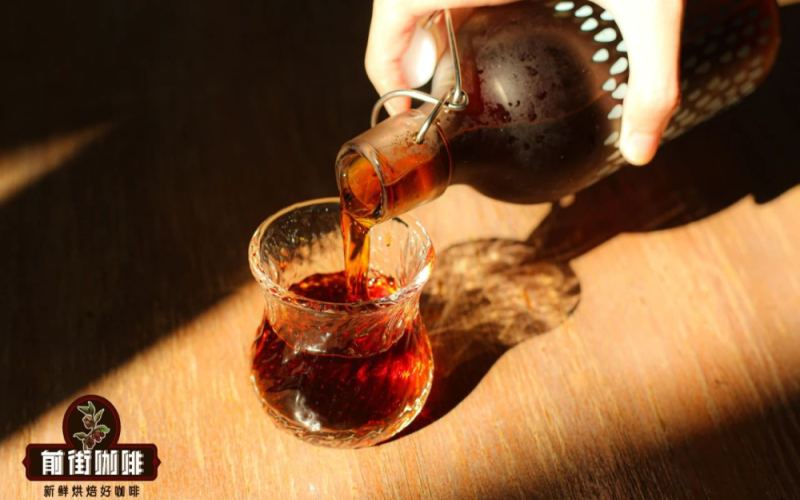
Cold Brew Coffee Home Brewing Guide: Bean Selection Approach and Simple Step-by-Step Process Explained
Cold brew, a classic among iced coffee drinks, has won many fans with its refreshing taste. Its origins can be traced back to the early age of sailing, when conditions were too limited to heat anything, so someone tried steeping coffee grounds directly in cold water and, after filtering, unexpectedly ended up with a rather good cup of black coffee — a method that gradually spread. Today, more and more coffee lovers choose to make cold brew at home. This article starts with the principles of cold brew, explaining why low-temperature extraction brings a more balanced sweetness, acidity, and body, then offers bean-selection advice for home cold brew, including the flavor profiles of three beans — Front Street Coffee Washed Godin Godin, Front Street Coffee Huakui, and Front Street Coffee Mozart — and finally provides the simplest home brewing steps along with a reminder about storage time, helping you easily make a satisfying cup of cold brew. [more…]
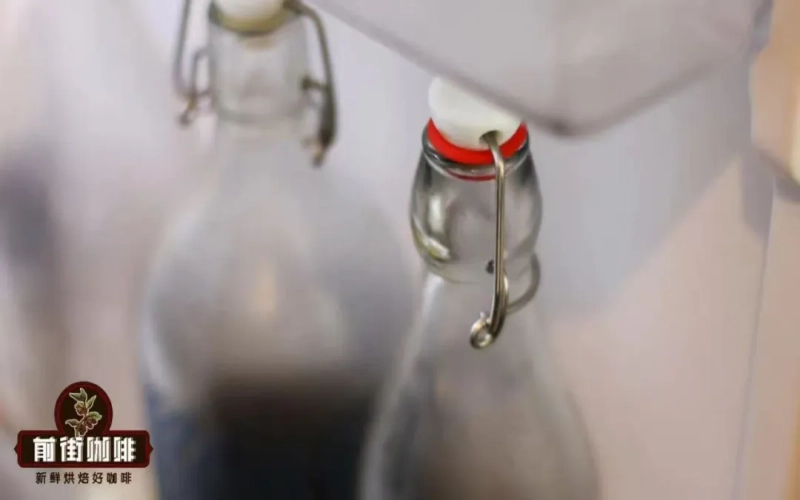
How to Make Delicious Cold Brew Coffee: Single-Origin Bean Selection Ideas and Brewing Parameters Explained
Cold brew coffee is made in a special way and needs to be prepared a day in advance, so cafes usually do not offer as many bean choices as they do for pour-over. This article focuses on the brewing method and water-to-coffee ratio parameters for cold brew, starting with Front Street Coffee's cold brew procedure: using 50 grams of coffee grounds as the base, with a grind size referencing an 85% pass rate through a No. 20 standard sieve, paired with 400 milliliters of room-temperature water and 200 grams of hard ice cubes, at a coffee-to-water ratio of 1:12, left to steep in the refrigerator for 12 to 24 hours before filtering, then refrigerated for about 4 hours before drinking. It then combines the characteristics of cold brew—not bitter, mildly acidic, mellow in flavor, and with a low-temperature aging and fermentation feel—to share directions for selecting single-origin beans suitable for cold brew, including washed process and Geisha (T2722), and gives specific recommendations from Front Street Coffee's bean list. [more…]

Ice Drip Coffee Fermentation Duration and Cold Brew Optimal Drinking Window: Production Key Points and Storage Recommendations
Cold brew coffee takes a long time to make, so it is often available only in limited quantities at cafés. It originated in Europe and is said to have been invented by the Dutch, which is why it is also called Dutch Coffee. During preparation, ice water seeps through the coffee grounds by dripping naturally, eventually flowing drop by drop into the lower pot, so it is also known as water-drip coffee, and the whole process usually takes more than 8 hours. This article will introduce the steps for making cold brew coffee in detail, including the key aspects of the coffee-to-water-to-ice ratio, grind size selection, filter paper placement, and drip rate control, while also answering common questions about cold brew coffee fermentation time and the best drinking period. The article also uses Front Street Strawberry Candy coffee beans as an example for a practical demonstration and explains the effect of low-temperature refrigeration "aging" on flavor, as well as why it is recommended to drink it within 5 days. [more…]